Understanding Different Types of Insurance
Discover the various types of insurance available, from health to auto, and understand their importance in safeguarding your financial future.
Introduction to Insurance
Insurance is a crucial aspect of personal finance that helps individuals manage risk and protect themselves from unforeseen financial losses. By paying a premium, policyholders transfer the risk of certain losses to the insurance company. Understanding different types of insurance is essential to making informed decisions about coverage. This article explores various insurance categories, highlighting their importance and benefits. Whether you're looking to protect your health, property, or financial future, knowing your options can provide peace of mind and financial security.
Health Insurance
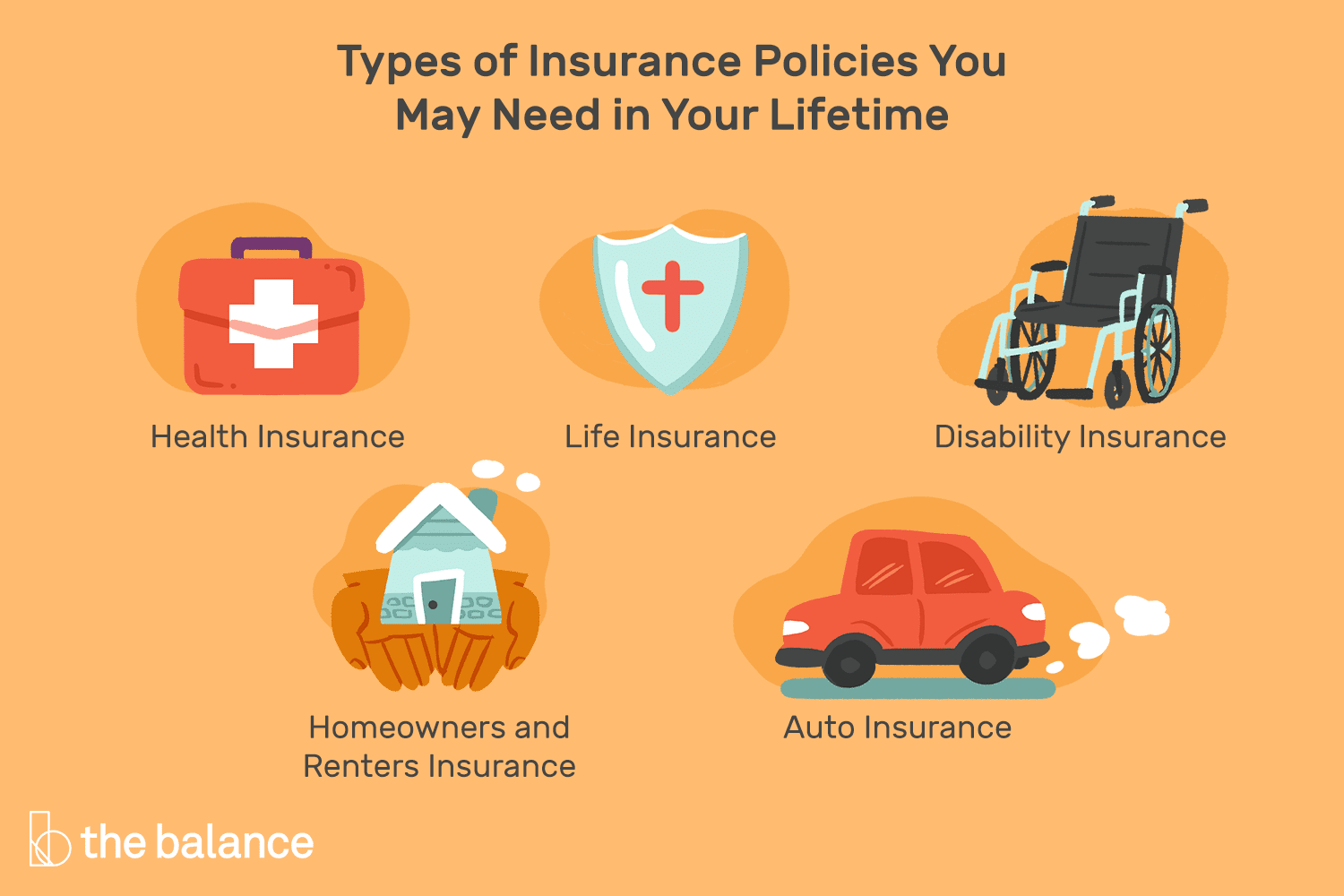
Health insurance is designed to cover medical expenses, ensuring that individuals have access to necessary healthcare services without facing financial hardship. Policies vary widely, from basic plans covering essential medical needs to comprehensive plans that include preventive care, prescription drugs, and specialist visits. Employer-sponsored health insurance is common, but individuals can also purchase plans through marketplaces. Understanding terms like deductibles, co-pays, and out-of-pocket maximums is crucial in selecting the right plan. Health insurance not only promotes well-being but also protects against the high costs of medical emergencies and chronic conditions.
Life Insurance
Life insurance provides financial protection to beneficiaries upon the policyholder's death. It comes in two primary forms: term life insurance and whole life insurance. Term life insurance offers coverage for a specified period, typically 10, 20, or 30 years, and is generally more affordable. Whole life insurance, on the other hand, provides lifelong coverage and includes a savings component that can accumulate cash value. The primary purpose of life insurance is to ensure that dependents are financially secure in the event of the policyholder's passing. It can cover expenses such as funeral costs, outstanding debts, and living expenses for surviving family members.
Auto Insurance
Auto insurance is mandatory in most places and provides coverage for vehicles in the event of accidents, theft, or other damages. Policies typically include liability coverage, which pays for damages to others if the policyholder is at fault, and comprehensive coverage, which covers non-collision-related incidents like theft or natural disasters. Collision coverage pays for damages to the policyholder's vehicle resulting from a collision. Auto insurance can also include uninsured/underinsured motorist coverage, protecting against drivers who lack sufficient insurance. Selecting the right auto insurance involves considering factors like coverage limits, deductibles, and additional protections to ensure comprehensive protection on the road.
Homeowners and Renters Insurance
Homeowners insurance protects property owners against losses from events like fires, theft, and natural disasters. It typically covers the structure of the home, personal belongings, and liability for injuries occurring on the property. Renters insurance offers similar protections for individuals who rent their living spaces, covering personal belongings and liability but not the structure itself. Both types of insurance are crucial for safeguarding one's home and possessions. Homeowners insurance may also include additional living expenses coverage, which pays for temporary housing if the home becomes uninhabitable. Understanding the policy's coverage limits and exclusions is essential for adequate protection.
Disability Insurance
Disability insurance provides income replacement if an individual is unable to work due to illness or injury. There are two main types: short-term disability and long-term disability. Short-term disability covers a portion of the policyholder's salary for a limited period, usually up to six months. Long-term disability offers extended coverage, potentially until retirement age, depending on the policy. Disability insurance is particularly important for those whose income is critical to their financial stability. It ensures that even in the event of a disabling condition, the policyholder can maintain their standard of living and meet financial obligations.
Conclusion
Understanding the different types of insurance is vital for comprehensive financial planning. Each type serves a specific purpose, from covering medical expenses and protecting income to safeguarding property and providing for loved ones. By selecting appropriate coverage, individuals can mitigate financial risks and ensure stability in various aspects of their lives. As personal finance evolves, staying informed about insurance options and regularly reviewing policies can help maintain optimal protection. Insurance not only offers security but also peace of mind, allowing individuals to navigate life's uncertainties with confidence.