The Pros and Cons of Wireless Charging
Explore the benefits and drawbacks of wireless charging technology, including convenience, efficiency, and potential limitations.
Introduction to Wireless Charging
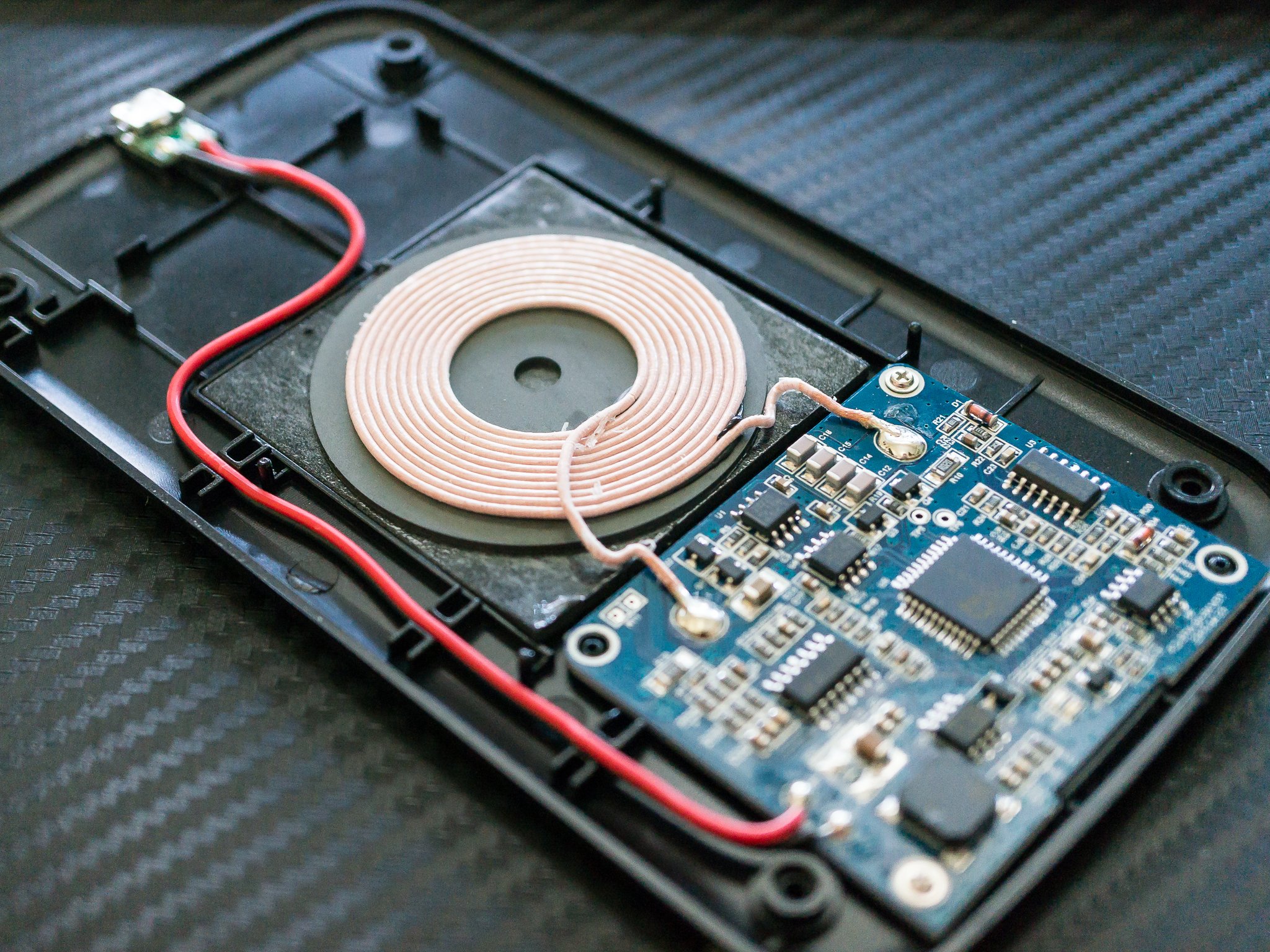
Wireless charging has become a popular topic in the realm of computers and consumer electronics. It offers a convenient way to power up devices without the need for cables. This technology uses electromagnetic fields to transfer energy between two objects, typically a charging pad and a compatible device. The ease of simply placing your device on a pad has attracted many users, but as with any technology, it has its pros and cons. Understanding these can help you make an informed decision about whether to adopt wireless charging for your gadgets.
Convenience and Ease of Use
One of the biggest advantages of wireless charging is its convenience. No more fumbling with cables or worrying about plug compatibility. You simply place your device on a charging pad, and it starts charging. This can be particularly useful in public spaces like coffee shops, airports, and hotels that offer wireless charging stations. Additionally, it reduces wear and tear on charging ports, which can extend the life of your device. However, the convenience comes at a cost, which we'll explore in the next sections.
Slower Charging Speeds
While wireless charging is convenient, it is often slower than traditional wired charging. This is because wireless charging generally delivers less power compared to a direct cable connection. For example, a wired charger might offer 15W of power, while a wireless charger might only provide 5W to 10W. This means it will take longer to charge your device fully. For users who need their devices charged quickly, this can be a significant drawback. Some newer wireless chargers offer faster speeds, but they still often lag behind their wired counterparts.
Energy Efficiency and Heat Issues
Another important consideration is energy efficiency. Wireless charging tends to be less efficient than wired charging. This inefficiency can lead to energy loss in the form of heat, which not only wastes electricity but can also affect the lifespan of your device's battery. Over time, excessive heat can degrade battery performance, reducing its capacity and overall lifespan. This is a crucial factor to consider, especially if you frequently use wireless charging and are concerned about the long-term health of your device's battery.
Compatibility and Cost
Compatibility is another factor to keep in mind. Not all devices support wireless charging, so you need to ensure your gadget is compatible before investing in a wireless charger. Additionally, wireless chargers can be more expensive than their wired counterparts. While prices have been decreasing, they still represent an additional cost that some users may find hard to justify. On the flip side, as wireless charging becomes more widespread, we may see increased compatibility and reduced costs over time, making it a more viable option for a broader range of users.