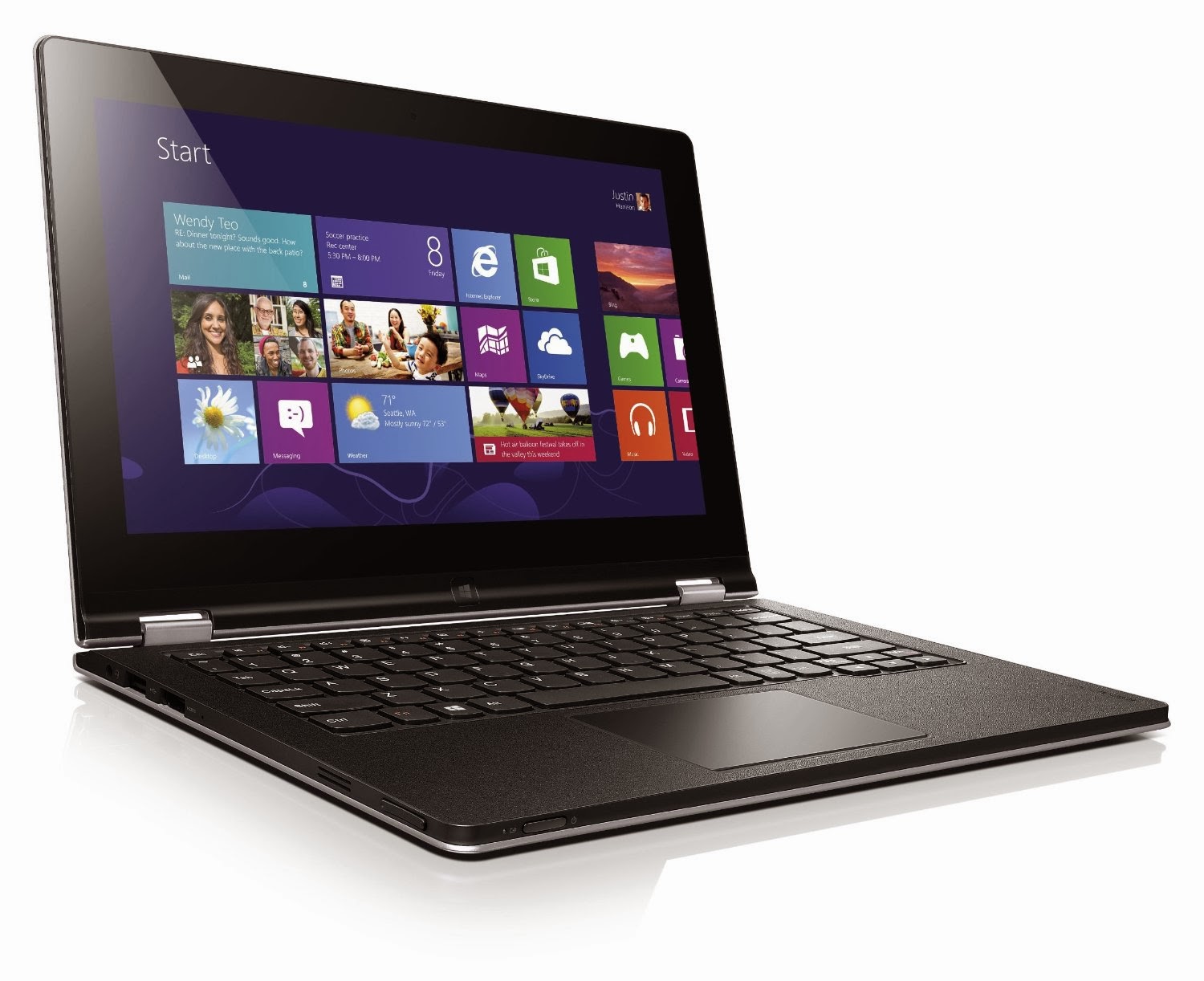
The Best Budget Laptops for Students
Discover top budget-friendly laptops perfect for students, balancing performance and affordability for seamless learning.
Finding the Right Balance: Affordability and Performance
When searching for the best budget laptops for students, it's crucial to find a balance between affordability and performance. Students need a device that can handle their coursework, stream videos, and possibly even support some light gaming or creative projects. While high-end laptops offer impressive specs, there are budget-friendly options that provide excellent value without breaking the bank. Key factors to consider include the processor, RAM, storage, and battery life. By focusing on these elements, students can find a laptop that meets their needs and fits their budget.
The Importance of Portability
For students, portability is a significant factor when choosing a laptop. Whether commuting to campus, studying in a coffee shop, or traveling home for the holidays, having a lightweight and compact device is essential. Many budget laptops offer slim designs and long battery life, making them ideal for students on the go. Look for laptops that weigh under four pounds and have at least eight hours of battery life to ensure they can keep up with a busy academic schedule without needing constant recharges.
Performance on a Budget
While budget laptops may not have the same high-end specs as their pricier counterparts, they can still deliver impressive performance for everyday tasks. A laptop with an Intel Core i3 or AMD Ryzen 3 processor, paired with 8GB of RAM, is typically sufficient for most student needs. These specifications allow for smooth multitasking, running essential software, and streaming content without lag. Solid State Drives (SSDs) are also becoming more common in budget laptops, providing faster boot times and quicker access to files compared to traditional Hard Disk Drives (HDDs).
Storage Solutions
Storage is another critical consideration for students. While cloud storage solutions like Google Drive and Dropbox are popular, having adequate onboard storage is still important. Budget laptops often come with 128GB or 256GB SSDs, which can be enough for storing documents, photos, and some applications. However, if more storage is needed, many laptops offer expandable storage options through SD card slots or external hard drives. Prioritizing laptops with SSDs over HDDs can significantly improve the overall performance and user experience.
Display Quality and Size
The display quality and size of a laptop can greatly impact the user experience. Students often spend long hours staring at their screens, whether for studying, writing papers, or watching lectures. A budget laptop with a Full HD (1920x1080) resolution provides a crisp and clear display, reducing eye strain. Screen size is also a personal preference; a 13-inch display offers greater portability, while a 15-inch display provides more screen real estate for multitasking and media consumption. Finding the right balance between size and resolution is key to a comfortable and productive experience.
Connectivity and Ports
In today's digital age, having the right connectivity options is essential. Budget laptops should come equipped with a variety of ports to connect peripherals such as external monitors, keyboards, and storage devices. Common ports to look for include USB-A, USB-C, HDMI, and an audio jack. Additionally, having a reliable Wi-Fi connection and Bluetooth capability is important for staying connected to the internet and other devices. Some budget laptops also offer Ethernet ports for more stable wired connections, which can be beneficial in dorm rooms or shared living spaces.
Durability and Build Quality
Finally, durability and build quality are crucial factors for students who need a laptop that can withstand daily wear and tear. While budget laptops may not have the premium materials of high-end models, many still offer robust construction. Look for laptops with sturdy hinges, quality keyboards, and durable chassis materials like aluminum or reinforced plastic. Investing in a laptop with a solid build can save money in the long run by reducing the likelihood of needing repairs or replacements. Additionally, consider purchasing a protective case or sleeve to further safeguard the device from accidental damage.