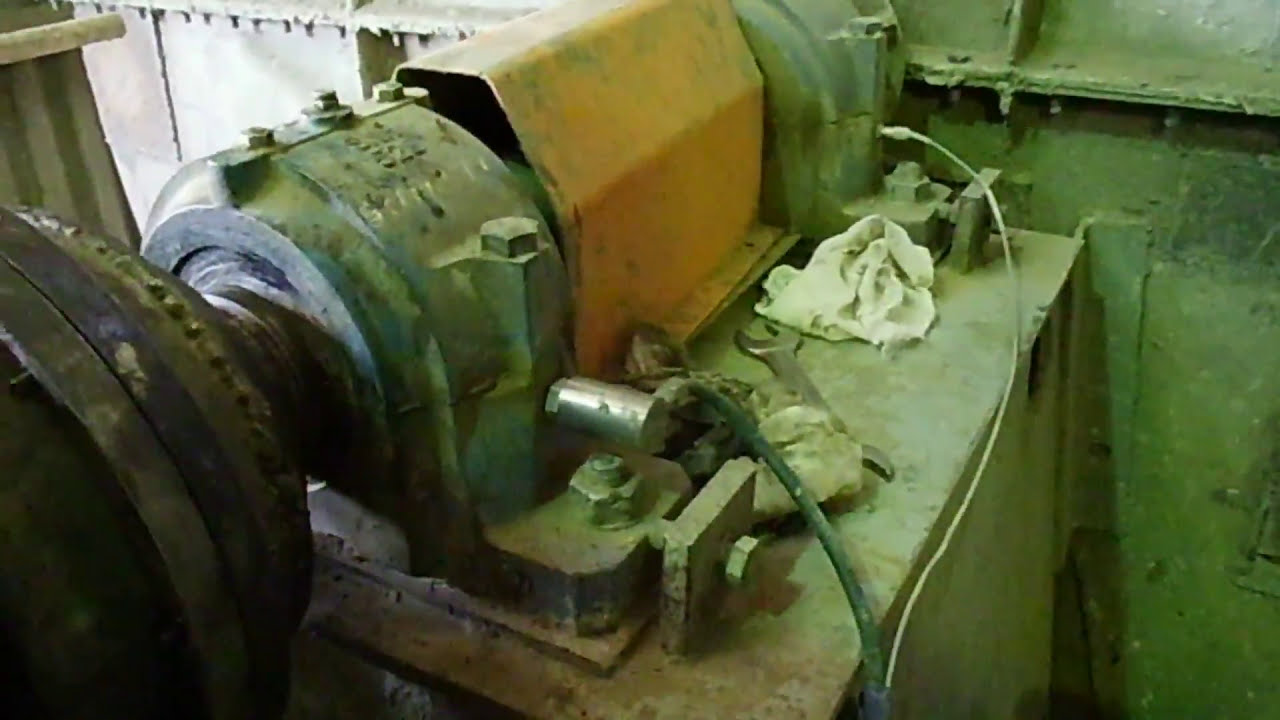
Innovations in Motor Design
Discover the latest innovations in motor design, from energy-efficient solutions to cutting-edge materials transforming the industry.
The Evolution of Electric Motors
Electric motors have undergone significant advancements, shifting from simple designs to highly efficient and complex systems. The early electric motors were basic, often limited in power and efficiency. However, with the advent of modern technology, there has been a substantial increase in the performance and capabilities of electric motors. Innovations such as brushless DC motors and permanent magnet motors have led to higher efficiency and reliability. These motors are now integral to various applications, from household appliances to industrial machinery, demonstrating the versatility and potential of electric motor technology.
Advancements in Magnetic Materials
The development of new magnetic materials has played a crucial role in motor design innovation. Traditional motors relied on ferrite magnets, which, while effective, had limitations in terms of strength and temperature tolerance. The introduction of rare-earth magnets like neodymium has revolutionized motor performance. These materials offer higher magnetic strength and better thermal stability, enabling the creation of smaller, more powerful motors. This advancement has been particularly beneficial in applications requiring high power density and efficiency, such as electric vehicles and renewable energy systems.
Integration of Smart Technologies
The integration of smart technologies into motor design has opened up new possibilities for efficiency and control. Modern motors are now equipped with sensors and microcontrollers that enable real-time monitoring and adjustments. This allows for precise control over motor functions, reducing energy consumption and improving performance. Smart motors can also communicate with other systems, enabling predictive maintenance and reducing downtime. These innovations are particularly important in industrial settings, where efficiency and reliability are paramount.
Innovations in Cooling Systems
Efficient cooling systems are essential for maintaining motor performance and longevity. Traditional motors often relied on simple air-cooling methods, which were not always effective in high-power applications. Recent innovations have introduced advanced liquid cooling systems that provide superior heat dissipation. These systems use a network of channels and pumps to circulate coolant, effectively managing the heat generated during operation. This not only enhances motor efficiency but also extends its lifespan, making it suitable for demanding applications like electric vehicles and high-performance machinery.
Enhanced Manufacturing Techniques
The manufacturing process of motors has seen significant improvements, thanks to advancements in automation and additive manufacturing. Automated production lines ensure consistent quality and reduce the likelihood of defects. Additive manufacturing, or 3D printing, allows for the creation of complex motor components that were previously difficult or impossible to produce. This technology enables rapid prototyping and customization, leading to faster development cycles and more innovative designs. These advancements in manufacturing techniques have made it possible to produce motors that are not only more efficient but also more cost-effective.
Energy Efficiency and Sustainability
Energy efficiency and sustainability have become critical considerations in motor design. Innovations in motor technology have focused on reducing energy consumption and minimizing environmental impact. The development of high-efficiency motors has led to significant energy savings in various applications. Additionally, the use of sustainable materials and eco-friendly manufacturing processes has reduced the carbon footprint of motor production. These efforts align with global initiatives to promote sustainability and reduce greenhouse gas emissions, making modern motors an essential component of a greener future.
Future Prospects and Challenges
The future of motor design holds exciting prospects, driven by ongoing research and development. Emerging technologies like superconducting motors and quantum computing could revolutionize the field, offering unprecedented levels of efficiency and performance. However, several challenges remain, including the need for better materials, improved manufacturing techniques, and more efficient cooling systems. Addressing these challenges will require continued innovation and collaboration across various industries. As motor technology continues to evolve, it will undoubtedly play a pivotal role in shaping the future of transportation, energy, and industrial applications.