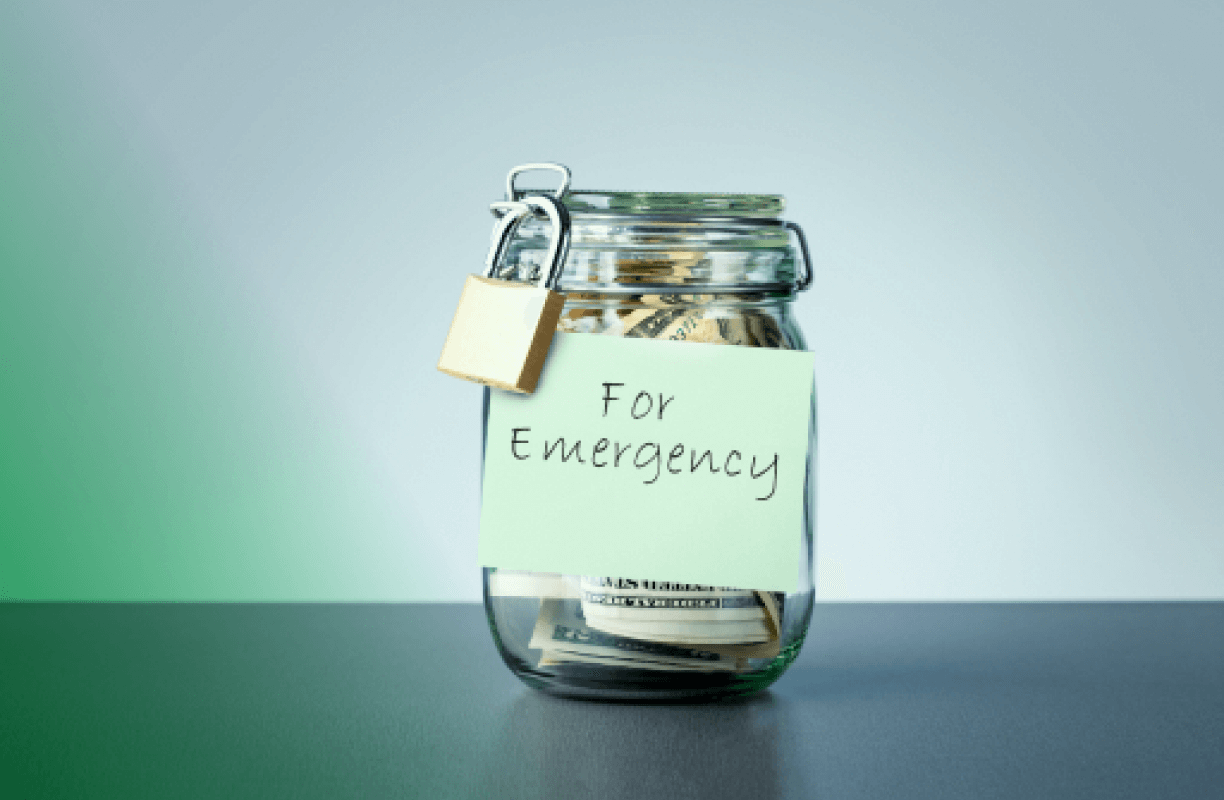
How to Build an Emergency Fund
Discover essential steps to build an emergency fund, ensuring financial security during unexpected life events. Start saving today!
Understanding the Importance of an Emergency Fund
An emergency fund is a crucial aspect of personal finance that acts as a financial safety net. Life is unpredictable, and unexpected expenses can arise at any moment, whether it's a medical emergency, car repair, or sudden job loss. Having an emergency fund ensures that you are prepared for these situations without having to rely on credit cards or loans, which can lead to debt. The peace of mind that comes with knowing you have a financial cushion cannot be overstated. It's not just about the money; it's about the security and stability it provides. Start by acknowledging the importance of an emergency fund in your overall financial health.
Setting Realistic Goals
Before you start building your emergency fund, it's essential to set realistic goals. Financial experts often recommend saving three to six months' worth of living expenses. However, this can vary depending on your personal circumstances, such as job stability and monthly obligations. Begin by calculating your monthly expenses, including rent, utilities, groceries, and other necessities. Once you have a clear understanding of your monthly costs, you can set a target amount for your emergency fund. Breaking this target down into smaller, manageable goals can make the process less overwhelming and more achievable.
Automating Your Savings
One of the most effective ways to build an emergency fund is to automate your savings. Set up a separate savings account specifically for your emergency fund and arrange for automatic transfers from your checking account. This way, a portion of your income is saved before you even have a chance to spend it. Automation helps in maintaining consistency and discipline in your savings habit. Additionally, keeping your emergency fund in a separate account reduces the temptation to dip into it for non-emergencies. Over time, these automated contributions can accumulate into a substantial safety net.
Cutting Unnecessary Expenses
To build your emergency fund more quickly, consider cutting unnecessary expenses from your budget. Review your spending habits and identify areas where you can reduce costs. This could include dining out less frequently, canceling unused subscriptions, or finding more affordable alternatives for certain services. Every little bit saved can be redirected into your emergency fund. By making conscious spending choices and prioritizing your financial goals, you can accelerate the growth of your emergency fund. Remember, these sacrifices are temporary and are aimed at securing your financial future.
Increasing Your Income
Another effective strategy to boost your emergency fund is to increase your income. This could involve taking on a part-time job, freelancing, or finding side gigs that align with your skills and interests. The extra income earned can be directly funneled into your emergency fund, helping it grow faster. Additionally, consider asking for a raise at your current job or looking for higher-paying opportunities. By diversifying your income streams, you not only enhance your financial stability but also expedite the process of building your emergency fund.
Avoiding Common Pitfalls
Building an emergency fund requires discipline and commitment, but it's also important to be aware of common pitfalls. One of the most significant mistakes people make is using their emergency fund for non-emergencies. It's crucial to differentiate between wants and needs. Your emergency fund should only be used for genuine emergencies, not for vacations or impulse purchases. Another pitfall is neglecting to replenish the fund after using it. Make it a priority to rebuild your emergency fund as soon as possible after any withdrawal. Staying vigilant and disciplined will ensure your fund serves its intended purpose.
Regularly Reviewing and Adjusting
Your financial situation and needs may change over time, so it's essential to regularly review and adjust your emergency fund. Periodically reassess your living expenses and adjust your savings goals accordingly. Life events such as marriage, having children, or buying a home can significantly impact your financial needs. By staying proactive and making necessary adjustments, you ensure that your emergency fund remains adequate and relevant. Additionally, reviewing your fund periodically helps you stay motivated and track your progress.
The Long-Term Benefits
The benefits of having an emergency fund extend beyond immediate financial security. It provides a sense of control and confidence in managing your finances. With an emergency fund in place, you can avoid high-interest debt, make more informed financial decisions, and even take calculated risks, such as investing or pursuing new career opportunities. Moreover, it reduces stress and anxiety associated with financial uncertainties. In the long run, an emergency fund contributes to overall financial well-being and peace of mind, allowing you to focus on your long-term goals and aspirations.