Functional Training: Workouts for Everyday Life
Functional training enhances everyday activities by focusing on exercises that improve strength, balance, and flexibility. Discover its benefits.
What is Functional Training?
Functional training is a form of exercise that aims to improve your body's ability to perform everyday activities. Unlike traditional gym workouts that focus on isolating specific muscles, functional training emphasizes whole-body movements that mimic real-life actions. These exercises are designed to enhance your strength, balance, coordination, and flexibility, making everyday tasks easier and reducing the risk of injury. Think of activities like lifting groceries, climbing stairs, or playing with your kids; functional training prepares your body for these and more.
Benefits of Functional Training
One of the primary benefits of functional training is that it promotes muscle synergy. This means that various muscle groups work together more effectively, improving overall body mechanics. Additionally, functional exercises often involve multiple joints and planes of movement, which helps improve core stability and posture. This type of training also tends to be more engaging and enjoyable, as the movements are varied and dynamic. Moreover, functional training can be easily adapted to any fitness level, making it accessible for beginners and advanced athletes alike.
Core Exercises
Core strength is a cornerstone of functional training. A strong core supports your entire body, improving balance and stability. Planks, Russian twists, and leg raises are excellent exercises to target the abdominal muscles. Incorporating these exercises into your routine can help you perform daily tasks more efficiently. For instance, a strong core can make it easier to lift heavy objects or maintain proper posture while sitting for long periods. Additionally, a well-conditioned core can alleviate back pain and reduce the risk of injuries.
Lower Body Workouts
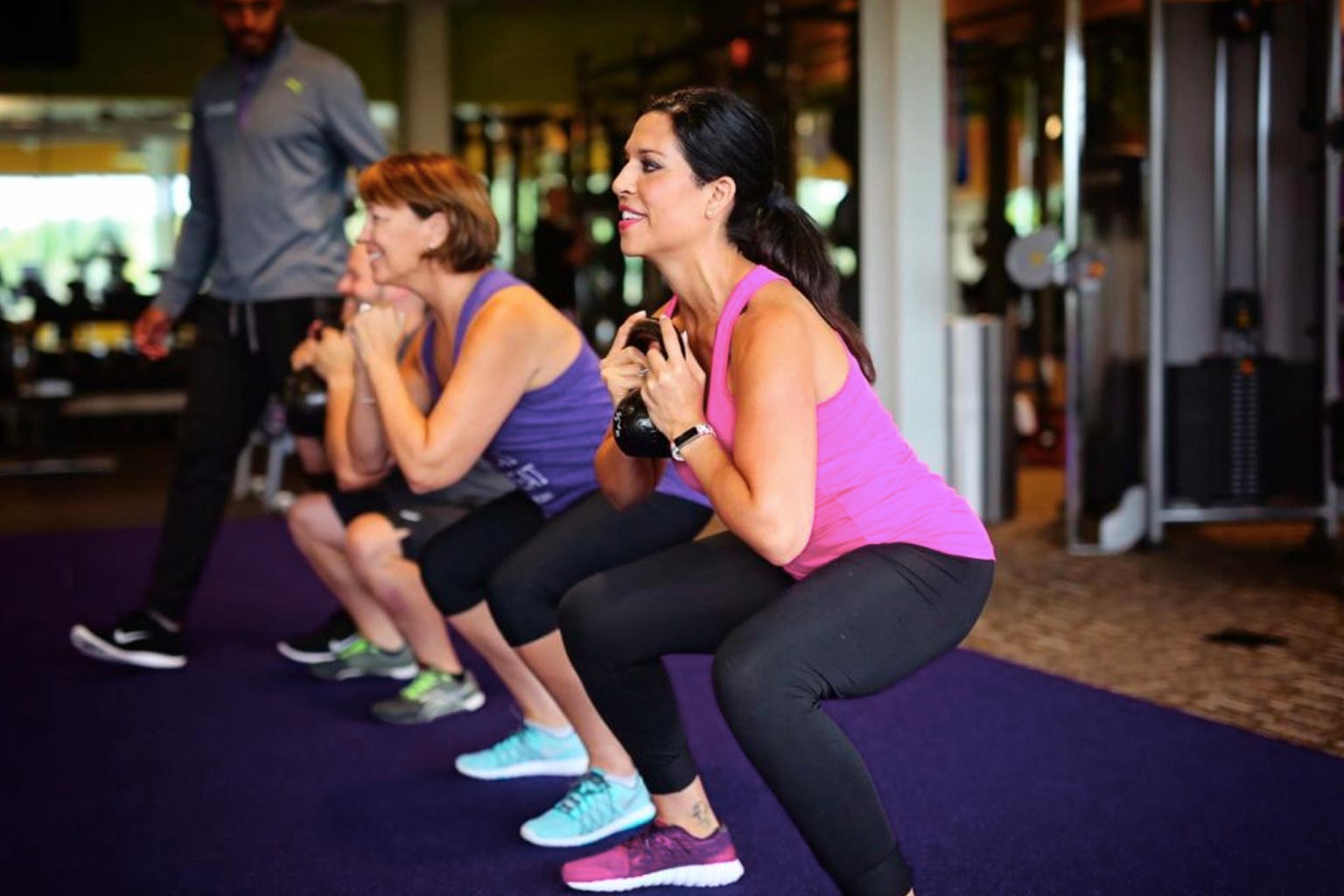
Functional training also places a significant emphasis on the lower body. Exercises like squats, lunges, and deadlifts mimic everyday movements such as bending, lifting, and climbing. These exercises not only build strength but also improve flexibility and coordination. For example, squats can enhance your ability to sit and stand with ease, while lunges can improve your balance and stability. By incorporating lower body workouts into your routine, you'll find it easier to perform tasks like walking, running, or even standing for extended periods.
Upper Body Strength
Upper body strength is crucial for various daily activities, from carrying groceries to lifting a child. Functional exercises like push-ups, pull-ups, and shoulder presses are excellent for building upper body strength. These exercises engage multiple muscle groups, including the chest, back, shoulders, and arms. By incorporating upper body workouts into your routine, you'll improve your ability to perform tasks that require lifting, pushing, or pulling. Moreover, a strong upper body can enhance your overall posture and reduce the risk of shoulder and neck injuries.
Balance and Coordination
Balance and coordination are essential components of functional training. Exercises like single-leg stands, balance boards, and Bosu ball workouts can significantly improve your stability and coordination. These exercises challenge your body's ability to maintain equilibrium, which is crucial for preventing falls and injuries. Improved balance and coordination can also enhance your performance in various sports and recreational activities. Additionally, these exercises often engage the core and lower body muscles, providing a comprehensive workout that benefits your entire body.
Flexibility and Mobility
Flexibility and mobility are often overlooked but are essential for overall functional fitness. Incorporating stretching and mobility exercises into your routine can improve your range of motion and reduce muscle stiffness. Exercises like yoga, dynamic stretches, and foam rolling can enhance your flexibility and mobility. Improved flexibility can make it easier to perform everyday tasks like reaching for objects on high shelves or bending down to tie your shoes. Additionally, enhanced mobility can reduce the risk of injuries and improve your overall quality of life.