Exploring the Latest Trends in Wearable Technology
Discover the cutting-edge innovations in wearable technology, from health monitoring to smart fashion, shaping our daily lives.
Introduction to Wearable Technology
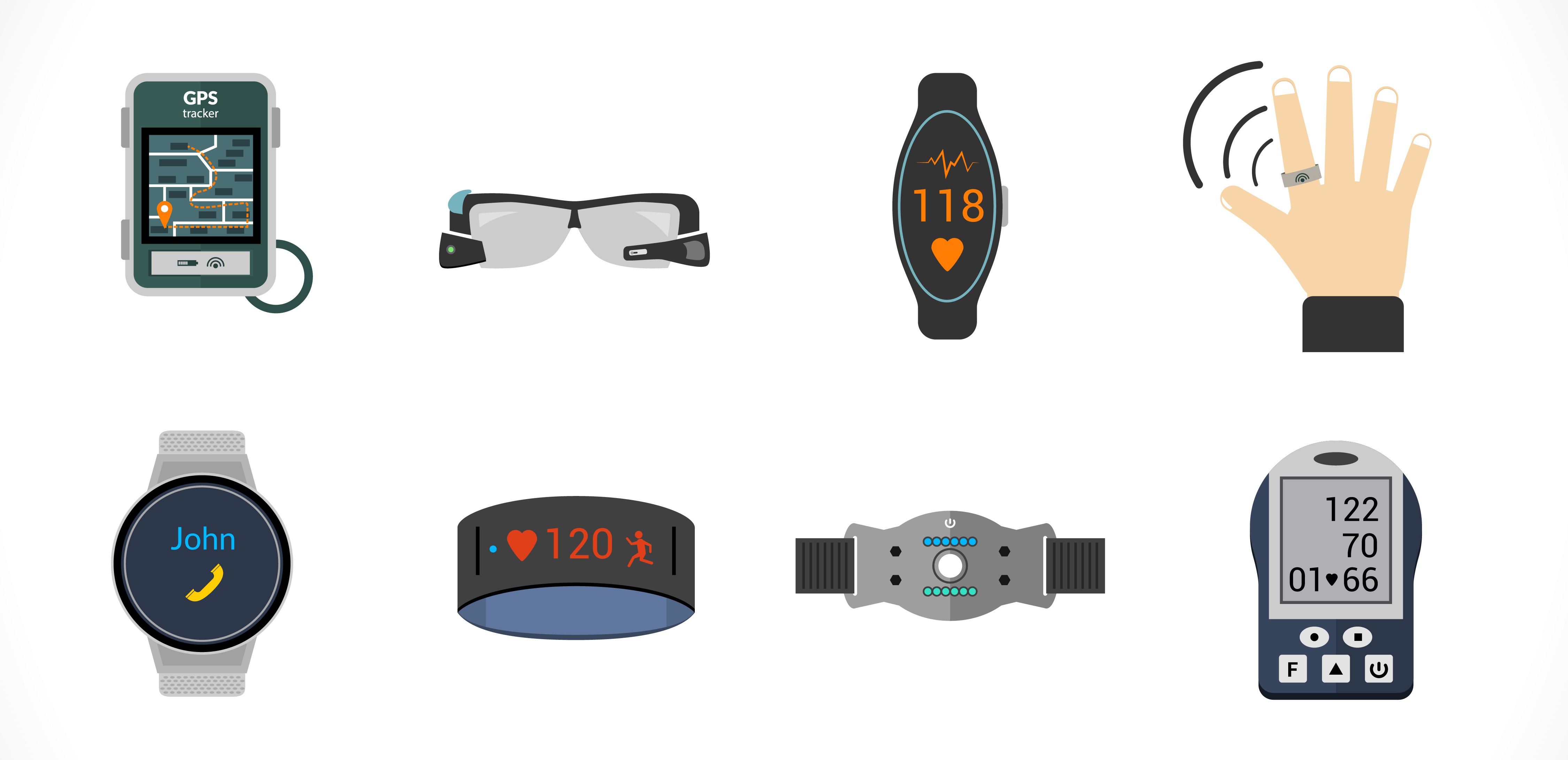
Wearable technology has rapidly evolved, transforming from simple fitness trackers to sophisticated devices that integrate seamlessly into our daily lives. These gadgets, which range from smartwatches to augmented reality glasses, are designed to enhance convenience, health monitoring, and connectivity. The proliferation of wearables is driven by advancements in miniaturization, sensor technology, and wireless communication. As consumers increasingly seek out devices that offer more than just basic functionality, the market is responding with innovative solutions that push the boundaries of what wearables can do. This article delves into the latest trends shaping the wearable technology landscape.
Health and Fitness Monitoring
One of the most significant trends in wearable technology is the emphasis on health and fitness monitoring. Modern wearables come equipped with a variety of sensors that track metrics such as heart rate, steps taken, sleep patterns, and even blood oxygen levels. These devices provide users with valuable insights into their health, enabling them to make informed decisions about their lifestyle. The integration of machine learning algorithms allows for personalized health recommendations, making wearables indispensable tools for maintaining and improving overall wellness. Additionally, the ability to sync with mobile apps and health platforms enhances the user experience, offering a comprehensive view of one's health data.
Enhanced Connectivity and Integration
Another emerging trend is the enhanced connectivity and integration of wearable devices with other smart gadgets and systems. Wearables are no longer standalone devices; they are part of a broader ecosystem that includes smartphones, home automation systems, and even vehicles. This seamless integration allows users to control various aspects of their environment directly from their wrist or eyewear. For instance, smartwatches can now manage smart home devices, receive notifications, and even make payments. The development of 5G technology further boosts this connectivity, providing faster and more reliable data transmission, which is crucial for the smooth operation of interconnected devices.
Fashion and Design Innovations
Wearable technology is not just about functionality; fashion and design play a crucial role in its adoption. Manufacturers are increasingly collaborating with fashion designers to create wearables that are not only technologically advanced but also aesthetically pleasing. This trend is evident in the variety of styles, materials, and customization options available in the market. From sleek and minimalist designs to bold and expressive pieces, wearables are becoming fashion statements in their own right. The focus on design ensures that these devices can be seamlessly integrated into everyday attire, making them more appealing to a broader audience.
Augmented Reality and Virtual Reality
The integration of augmented reality (AR) and virtual reality (VR) into wearable technology is another exciting development. AR glasses and VR headsets are transforming the way we interact with digital content, offering immersive experiences that were once the stuff of science fiction. These devices are finding applications in various fields, including gaming, education, and professional training. For example, AR glasses can overlay digital information onto the real world, enhancing productivity and providing new ways to visualize data. Meanwhile, VR headsets offer immersive environments for gaming and simulations, creating new possibilities for entertainment and learning.
Wearables in the Workplace
Wearable technology is also making significant inroads into the workplace, enhancing productivity and safety. Smart wearables such as AR glasses and smart helmets are being used in industries like construction, manufacturing, and logistics to provide real-time information and improve efficiency. These devices can offer hands-free access to critical data, reducing the need for physical documents and allowing workers to perform tasks more effectively. Moreover, wearables can monitor environmental conditions and worker health, helping to prevent accidents and ensure compliance with safety regulations. The adoption of wearables in the workplace is revolutionizing traditional workflows and driving innovation across various sectors.
The Future of Wearable Technology
The future of wearable technology is brimming with potential, driven by continuous advancements in artificial intelligence, biometric sensors, and connectivity. As these technologies evolve, wearables will become even more integrated into our lives, offering new ways to monitor health, stay connected, and enhance productivity. The development of flexible and stretchable electronics promises to create wearables that are more comfortable and less intrusive. Additionally, the focus on sustainability is leading to the creation of eco-friendly wearables that minimize environmental impact. As we look ahead, the possibilities for wearable technology are virtually limitless, promising a future where these devices are an integral part of our daily lives.