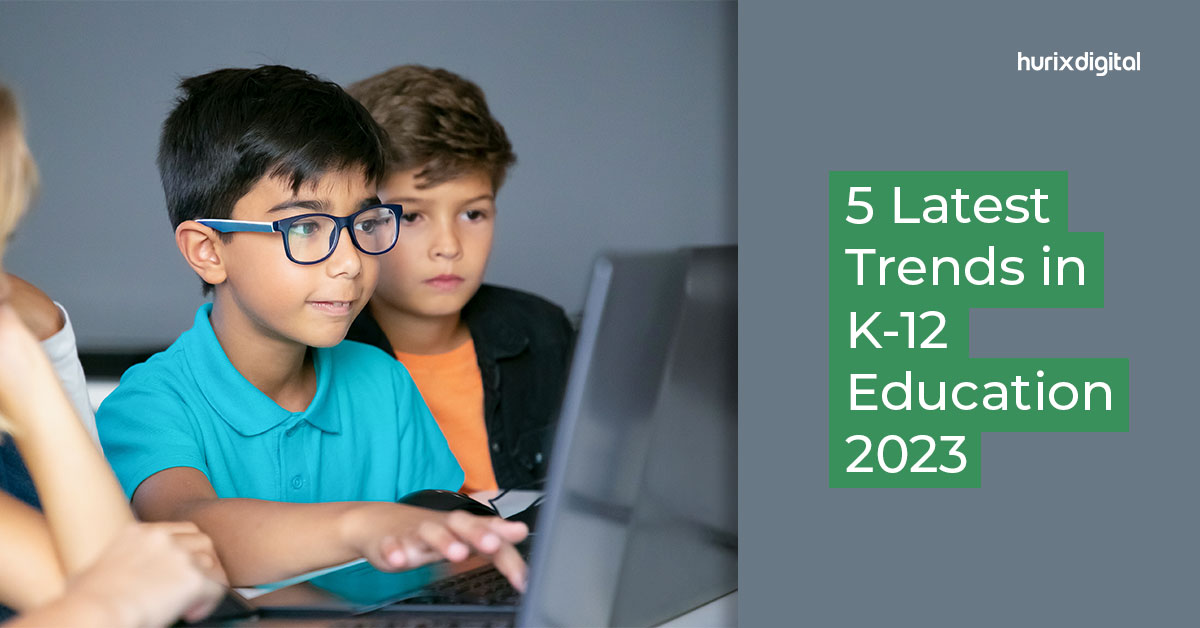
Education Trends: The Future of Learning
Explore the latest trends in education, from AI-driven personalized learning to virtual classrooms, shaping the future of learning.
Personalized Learning
The future of education is being shaped by the concept of personalized learning. This approach tailors educational experiences to meet the unique needs, skills, and interests of each student. Leveraging data analytics and artificial intelligence, personalized learning platforms can adapt content and pacing to ensure optimal engagement and comprehension. This shift away from the traditional one-size-fits-all model empowers students to take control of their learning journey, making education more relevant and effective. Teachers, too, benefit from this trend, as it provides them with detailed insights into student progress, enabling more targeted and efficient instruction.
Gamification in Education
Gamification is revolutionizing the way students engage with educational content. By incorporating game design elements such as points, badges, and leaderboards, educators can make learning more interactive and enjoyable. This method not only increases motivation but also fosters a competitive spirit and encourages students to push their limits. Gamification helps in breaking down complex subjects into manageable, fun activities, thus enhancing comprehension and retention. It's a trend that is making learning less of a chore and more of an exciting challenge, promoting a deeper and more sustained interest in education.
Online and Blended Learning
The rise of online and blended learning models is transforming the educational landscape. These models combine traditional face-to-face instruction with online components, offering a more flexible and accessible learning experience. Students can now access a wealth of resources and courses from anywhere, at any time, breaking down geographical and temporal barriers. This flexibility is particularly beneficial for adult learners and those with busy schedules, making education more inclusive. Blended learning also allows for more personalized instruction, as teachers can use online tools to monitor progress and provide additional support where needed.
Collaborative Learning Environments
Collaborative learning environments are becoming increasingly popular as educators recognize the value of teamwork and social interaction in the learning process. These environments encourage students to work together on projects, share ideas, and solve problems collectively. This approach not only enhances understanding but also builds essential skills such as communication, critical thinking, and cooperation. Technology plays a significant role in facilitating collaboration, with tools like virtual classrooms and online discussion forums making it easier for students to connect and collaborate, regardless of their physical location.
Focus on Soft Skills
There is a growing emphasis on developing soft skills alongside traditional academic knowledge. Skills such as emotional intelligence, creativity, adaptability, and problem-solving are increasingly recognized as critical for success in the modern world. Educational institutions are incorporating activities and curricula designed to nurture these skills, preparing students for the complexities of the 21st-century workplace. By focusing on holistic development, educators aim to produce well-rounded individuals who can navigate the challenges of a rapidly changing global landscape with confidence and competence.
Lifelong Learning
The concept of lifelong learning is gaining traction as the pace of technological and societal change accelerates. The idea that education ends with formal schooling is becoming obsolete. Instead, there is a growing recognition that individuals must continuously update their knowledge and skills throughout their lives. This shift is driving the demand for flexible learning opportunities, such as online courses, workshops, and professional development programs. Lifelong learning fosters a culture of curiosity and growth, encouraging individuals to remain adaptable and resilient in the face of change.
Integration of Artificial Intelligence
Artificial intelligence (AI) is playing an increasingly prominent role in education. AI-powered tools can provide personalized learning experiences, automate administrative tasks, and offer real-time feedback to students. For example, AI tutors can assist with homework, while predictive analytics can identify students at risk of falling behind and suggest interventions. This integration of AI not only enhances the efficiency of educational processes but also allows for more customized and effective learning experiences. As AI technology continues to evolve, its impact on education is expected to grow, offering new possibilities for innovation and improvement.
Sustainable Education Practices
Sustainability is becoming a key consideration in education, with institutions adopting sustainable practices to reduce their environmental impact. This includes incorporating sustainability into the curriculum, promoting eco-friendly campus initiatives, and using technology to minimize resource consumption. Educators are also emphasizing the importance of environmental stewardship, teaching students about the impact of their actions on the planet and encouraging them to adopt sustainable behaviors. By fostering a culture of sustainability, educational institutions are not only reducing their own footprint but also preparing students to be responsible global citizens who are mindful of their impact on the world.