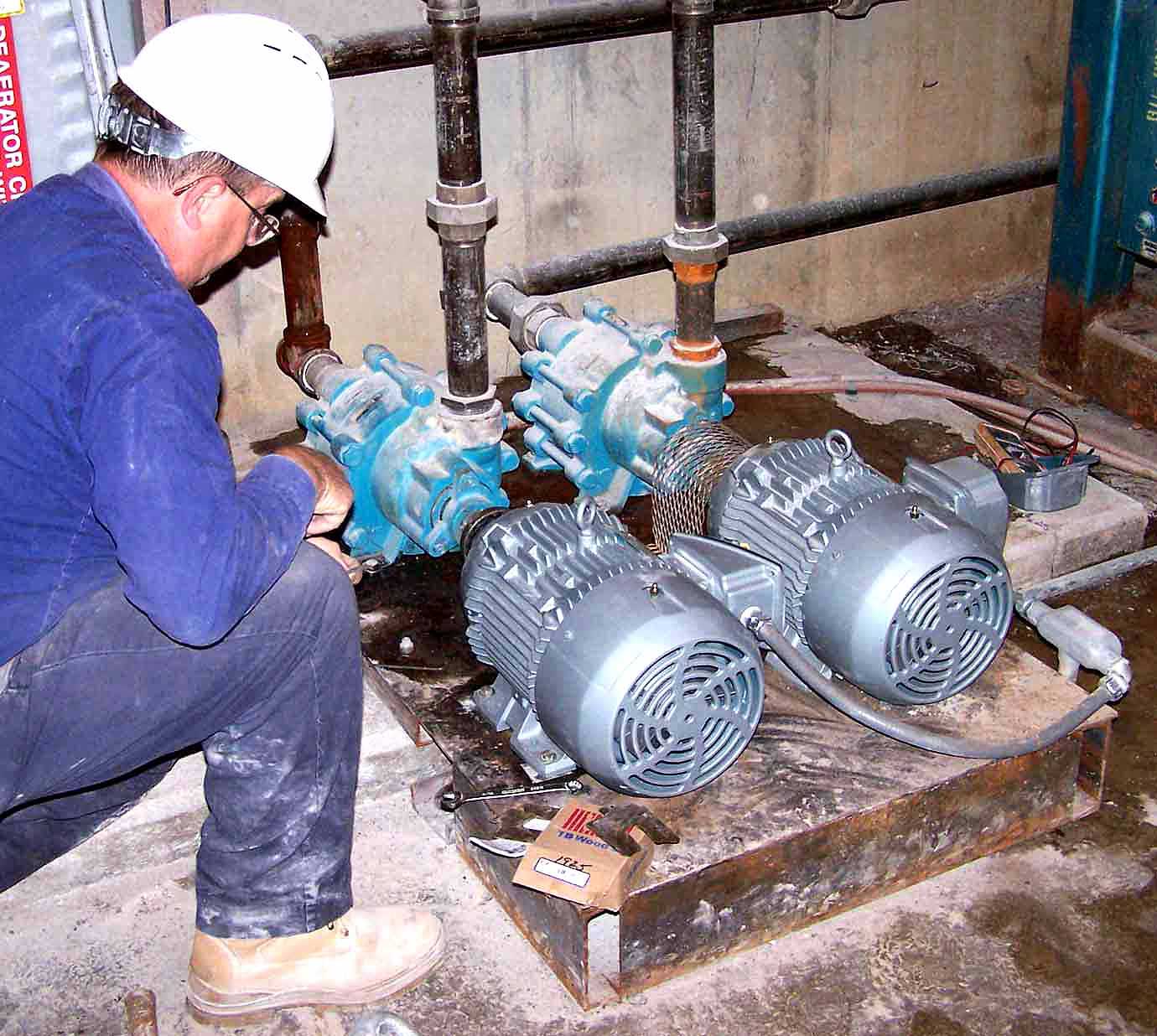
DIY Motor Repair: What You Need to Know
Learn essential tips and safety guidelines for DIY motor repair to keep your vehicle running smoothly and efficiently.
Understanding Your Motor
Before diving into a DIY motor repair, it's crucial to understand the basic components and how they work. Motors come in various types, including electric, combustion, and hybrid. Each type has its own set of parts and mechanisms. Electric motors rely on electrical energy to create mechanical motion, while combustion engines use fuel combustion. Knowing the difference helps in diagnosing issues accurately. Familiarize yourself with the motor's manual, which often contains diagrams and troubleshooting tips. This knowledge forms the foundation for any repair work you undertake.
Essential Tools for Motor Repair
Having the right tools is half the battle won. A basic toolkit for motor repair should include screwdrivers, wrenches, pliers, and a multimeter. Specialized tools like a torque wrench, bearing puller, and soldering iron may also be necessary. Investing in quality tools can save you time and prevent damage to motor components. Additionally, safety gear such as gloves and goggles is indispensable. Always ensure your workspace is well-lit and organized to avoid mishaps. Proper tools and safety measures make the repair process smoother and more efficient.
Diagnosing Common Motor Issues
Effective diagnosis is key to successful motor repair. Common issues include overheating, unusual noises, and power loss. Overheating might be due to poor ventilation or worn-out bearings. Unusual noises often indicate loose parts or alignment issues. Power loss can stem from electrical problems or fuel supply issues in combustion engines. Use a systematic approach to isolate the problem. Start with a visual inspection, followed by testing electrical connections and moving parts. Accurate diagnosis not only saves time but also prevents unnecessary part replacements.
Step-by-Step Repair Process
Once you've diagnosed the issue, follow a step-by-step repair process. Begin by disconnecting the power source to ensure safety. For electric motors, check and replace faulty wires or components. For combustion engines, inspect and clean the fuel system. Replace worn-out parts like spark plugs or filters. Reassemble the motor carefully, ensuring all components are aligned and secured. Test the motor in a controlled environment before full operation. Document each step to create a reference for future repairs. A methodical approach reduces errors and enhances repair success.
Maintenance Tips to Prevent Future Issues
Preventive maintenance can extend the life of your motor and reduce the frequency of repairs. Regularly clean and lubricate moving parts to minimize wear and tear. Check electrical connections for corrosion or looseness. For combustion engines, ensure the fuel system is clean and filters are replaced periodically. Follow the manufacturer's maintenance schedule and keep a log of all maintenance activities. Simple practices like these can prevent common issues and keep your motor running smoothly. Consistent maintenance is a small investment for long-term reliability.
When to Seek Professional Help
While DIY repairs can save money, some issues require professional expertise. Complex problems like internal component failures or advanced electrical issues are best left to professionals. Attempting such repairs without adequate knowledge can lead to further damage and safety risks. If you're unsure about any step, consult a professional. They have the tools and experience to handle intricate repairs efficiently. Knowing when to seek help is crucial for maintaining the integrity of your motor. Balancing DIY efforts with professional assistance ensures optimal performance.
Cost-Effective Repair Strategies
Motor repairs can be costly, but there are ways to manage expenses. Opt for generic or refurbished parts instead of brand-new ones. These alternatives are often just as effective and significantly cheaper. Online forums and DIY communities can provide valuable tips and resources. Consider pooling resources with friends or neighbors who have similar repair needs. Sharing tools and knowledge can reduce costs and enhance learning. Cost-effective strategies make DIY motor repair more accessible and rewarding. Financial prudence combined with technical skills can lead to substantial savings.
The Joy of Successful DIY Repairs
Successfully repairing your motor can be incredibly rewarding. It not only saves money but also provides a sense of accomplishment. The skills you acquire can be applied to other DIY projects, broadening your expertise. Moreover, understanding your motor's inner workings fosters a deeper appreciation for its design and functionality. Celebrate your successes and learn from any mistakes. Each repair project enhances your problem-solving skills and technical knowledge. The joy of DIY repairs lies in the journey as much as the outcome, making it a fulfilling endeavor.