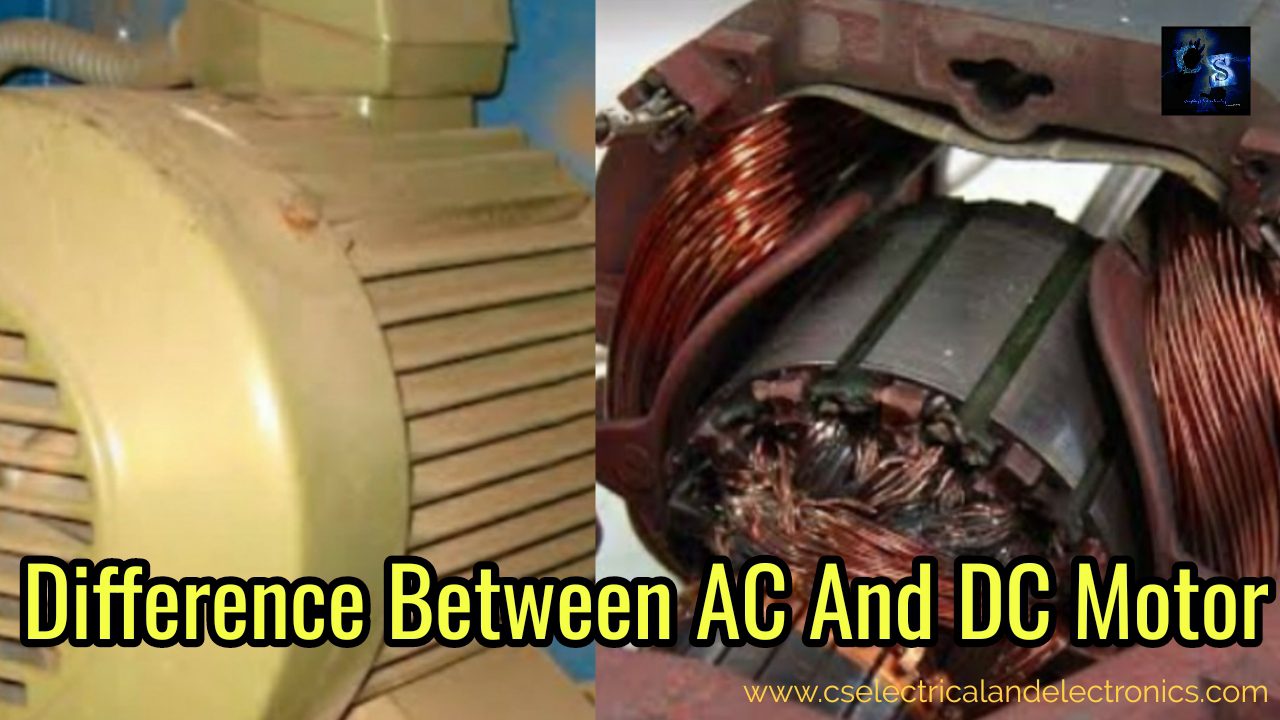
Comparing AC and DC Motors
Explore the key differences between AC and DC motors, their applications, advantages, and disadvantages to make an informed choice for your needs.
Introduction to AC and DC Motors
When it comes to electric motors, two primary types dominate the industry: AC (Alternating Current) motors and DC (Direct Current) motors. Both types of motors are essential in various applications, from household appliances to industrial machinery. The main difference between these motors lies in the type of electricity they use. AC motors run on alternating current, which changes direction periodically, while DC motors operate on direct current, which flows in a single direction. Understanding the distinctions between these two motor types can help in selecting the right motor for a specific application, ensuring efficiency and performance.
Working Principle of AC Motors
AC motors are powered by alternating current, which means the current's direction changes periodically. This type of motor is widely used in both residential and industrial applications due to its simplicity and durability. The working principle of an AC motor involves a rotating magnetic field generated by the alternating current. This magnetic field interacts with the rotor, causing it to spin. There are two main types of AC motors: synchronous and asynchronous (induction) motors. Synchronous motors operate at a constant speed, while induction motors can vary in speed based on the load. The ease of maintenance and robust design make AC motors a popular choice for many applications.
Working Principle of DC Motors
DC motors, on the other hand, operate on direct current, which flows in a single direction. These motors are known for their precise speed control and high starting torque, making them ideal for applications requiring exact movements. The working principle of a DC motor involves a commutator and brushes that help in reversing the direction of current in the rotor windings. This reversal of current creates a continuous rotation of the rotor. There are several types of DC motors, including brushed and brushless motors. Brushed DC motors are simpler but require more maintenance, whereas brushless DC motors are more efficient and have a longer lifespan.
Efficiency and Performance
When comparing the efficiency and performance of AC and DC motors, several factors come into play. AC motors are generally more energy-efficient and have a longer lifespan due to their simpler design and fewer moving parts. They are also less prone to wear and tear, making them suitable for continuous operation. DC motors, however, excel in applications requiring high torque and precise control. They are often used in robotics, electric vehicles, and other applications where speed control and accuracy are crucial. The choice between AC and DC motors ultimately depends on the specific requirements of the application.
Applications and Uses
The applications of AC and DC motors are vast and varied. AC motors are commonly found in household appliances such as refrigerators, air conditioners, and washing machines due to their reliability and efficiency. In industrial settings, they are used in conveyor systems, pumps, and fans. DC motors are prevalent in applications requiring precise control and high torque, such as electric vehicles, robotics, and industrial machinery. They are also used in small devices like power tools and toys. Understanding the specific needs of an application can help in choosing the right type of motor, ensuring optimal performance and efficiency.
Maintenance and Cost Considerations
Maintenance and cost are crucial factors when choosing between AC and DC motors. AC motors are generally easier to maintain due to their simple construction and fewer components. They also tend to be more cost-effective in the long run, given their durability and lower maintenance requirements. DC motors, while offering high performance and precision, require more frequent maintenance due to the presence of brushes and commutators in brushed types. Brushless DC motors mitigate this issue but are typically more expensive upfront. Evaluating the total cost of ownership, including initial investment, maintenance, and operational costs, is essential in making an informed decision.