A Beginner's Guide to Virtual Reality
Discover the basics of Virtual Reality, its applications, and how to get started with this immersive technology.
What is Virtual Reality?
Virtual Reality (VR) is an immersive technology that allows users to experience and interact with a computer-generated environment. Using specialized hardware such as VR headsets, gloves, and sensors, VR creates a simulated world that can mimic real-world settings or present fantastical landscapes. The core concept behind VR is to provide a sense of presence, making users feel as if they are physically present in the virtual environment. This is achieved through a combination of visual, auditory, and sometimes haptic feedback, which together create a multi-sensory experience. As VR technology advances, it is becoming more accessible and widely used across various fields, from gaming and entertainment to education and professional training.
The Hardware Behind VR
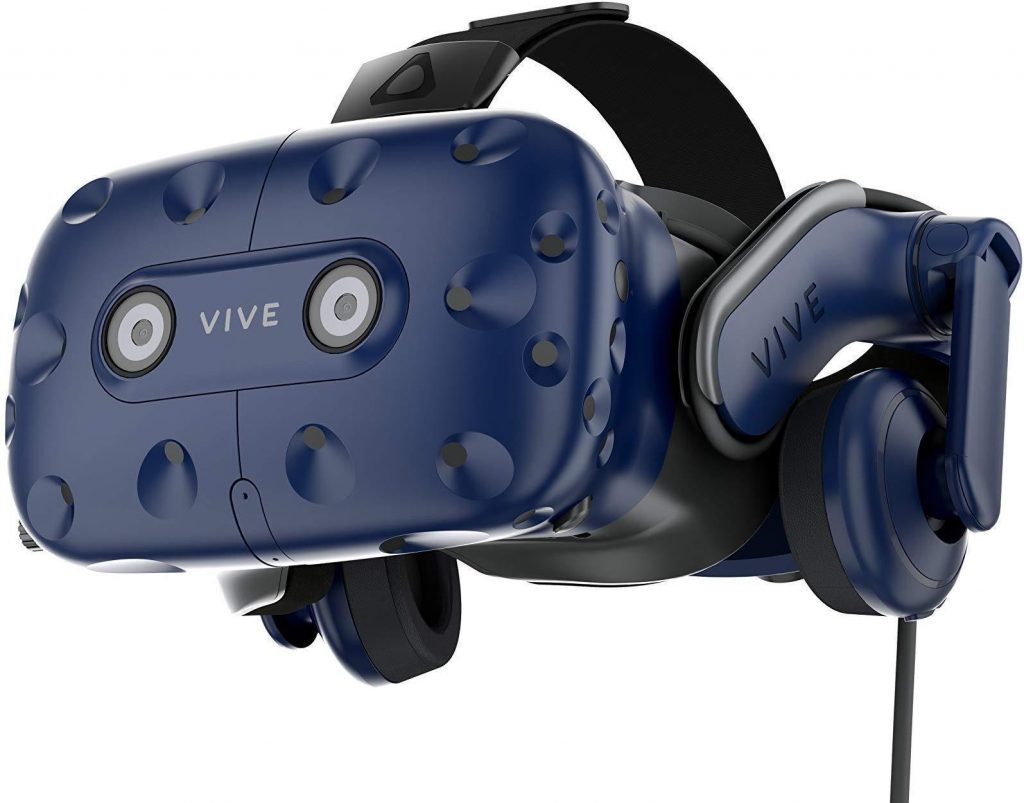
To fully experience VR, you need specific hardware components. The most essential piece is the VR headset, which covers your eyes and displays the virtual environment. These headsets often come with built-in motion tracking to follow your head movements, enhancing the sense of immersion. Additionally, hand controllers or gloves are used to interact with the virtual world, allowing you to pick up objects, press buttons, and perform various actions. Some advanced systems also include haptic feedback devices, which provide tactile sensations, making interactions feel more realistic. High-end VR setups may require powerful computers to run the software smoothly, but there are also standalone headsets that offer a more portable and user-friendly experience.
Applications of Virtual Reality
While VR is often associated with gaming, its applications extend far beyond entertainment. In the medical field, VR is used for surgical training, allowing doctors to practice complex procedures in a risk-free environment. In education, VR provides immersive learning experiences, enabling students to explore historical sites, conduct virtual lab experiments, or even travel to outer space. The real estate industry uses VR for virtual property tours, giving potential buyers a realistic sense of a property without needing to visit in person. Additionally, corporate training programs utilize VR to simulate challenging scenarios, helping employees develop skills in a controlled setting. The versatility of VR makes it a valuable tool across numerous industries.
Getting Started with VR
For beginners interested in exploring VR, the first step is choosing the right hardware. Entry-level headsets are available at various price points, making it easier to find one that fits your budget. Some popular options include standalone headsets that don't require a computer, providing a more convenient and user-friendly experience. Once you have your hardware, you'll need to install the necessary software, which often includes a mix of VR-specific applications and general-purpose programs. Many VR platforms offer a range of content, from games and interactive experiences to educational modules and productivity tools. As you become more comfortable with the technology, you can explore more advanced setups and applications.
The Future of Virtual Reality
The future of VR holds exciting possibilities as technology continues to evolve. Advances in display resolution, motion tracking, and haptic feedback are expected to make VR experiences even more immersive and realistic. Additionally, the integration of artificial intelligence and machine learning could enable more personalized and adaptive virtual environments. As VR becomes more mainstream, it is likely to see broader adoption in everyday life, from virtual meetings and social interactions to remote work and telemedicine. The potential for VR to transform how we interact with digital content is immense, and its impact on various industries will continue to grow as the technology matures.